Shorts & clothing01
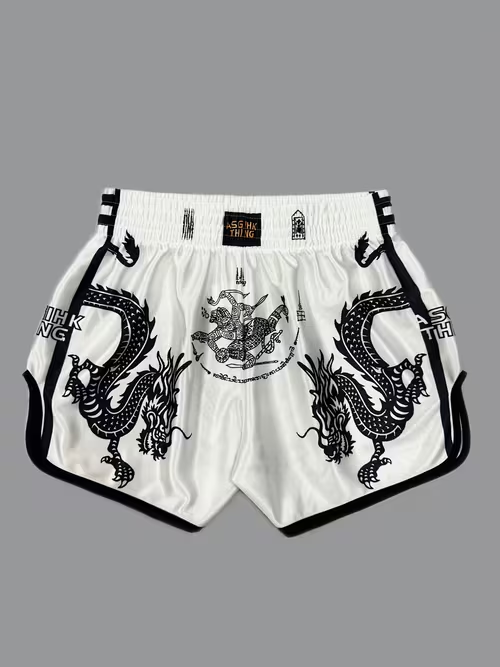
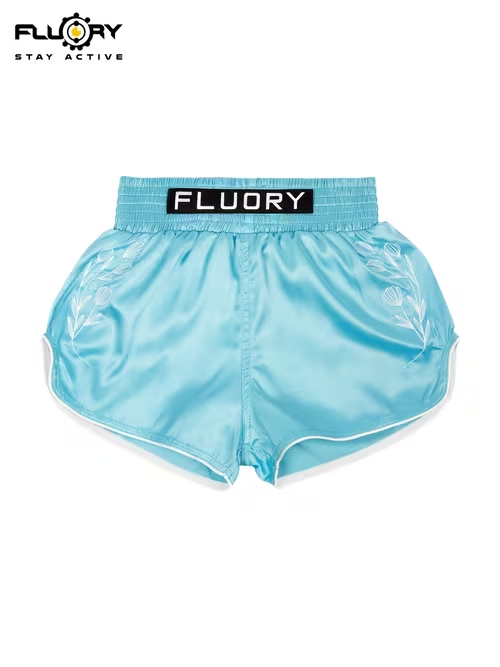
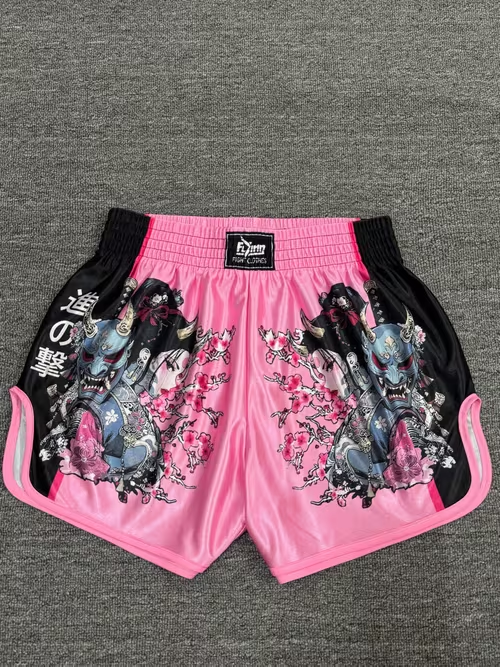
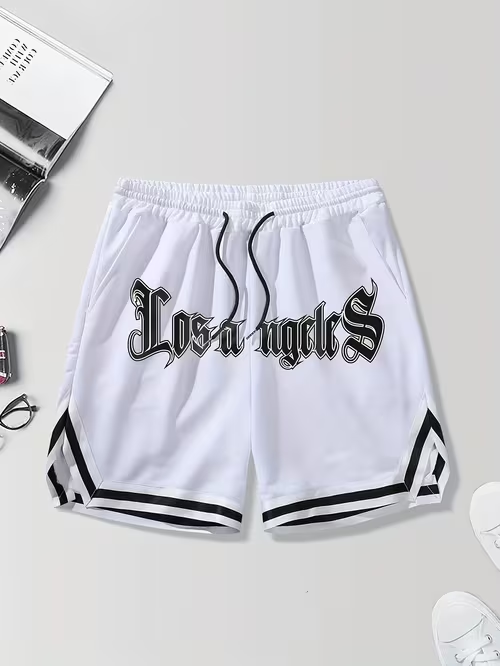
Good training shorts should let you move through the session without adjusting your waistband between every combination. Start with fit, then compare construction and design.
Read the buying guide →Shorts & clothing02
A personalised short should fit the athlete and reproduce the intended name correctly. Treat the design proof, sizing and delivery plan as three separate decisions.
Read the buying guide →Shorts & clothing03
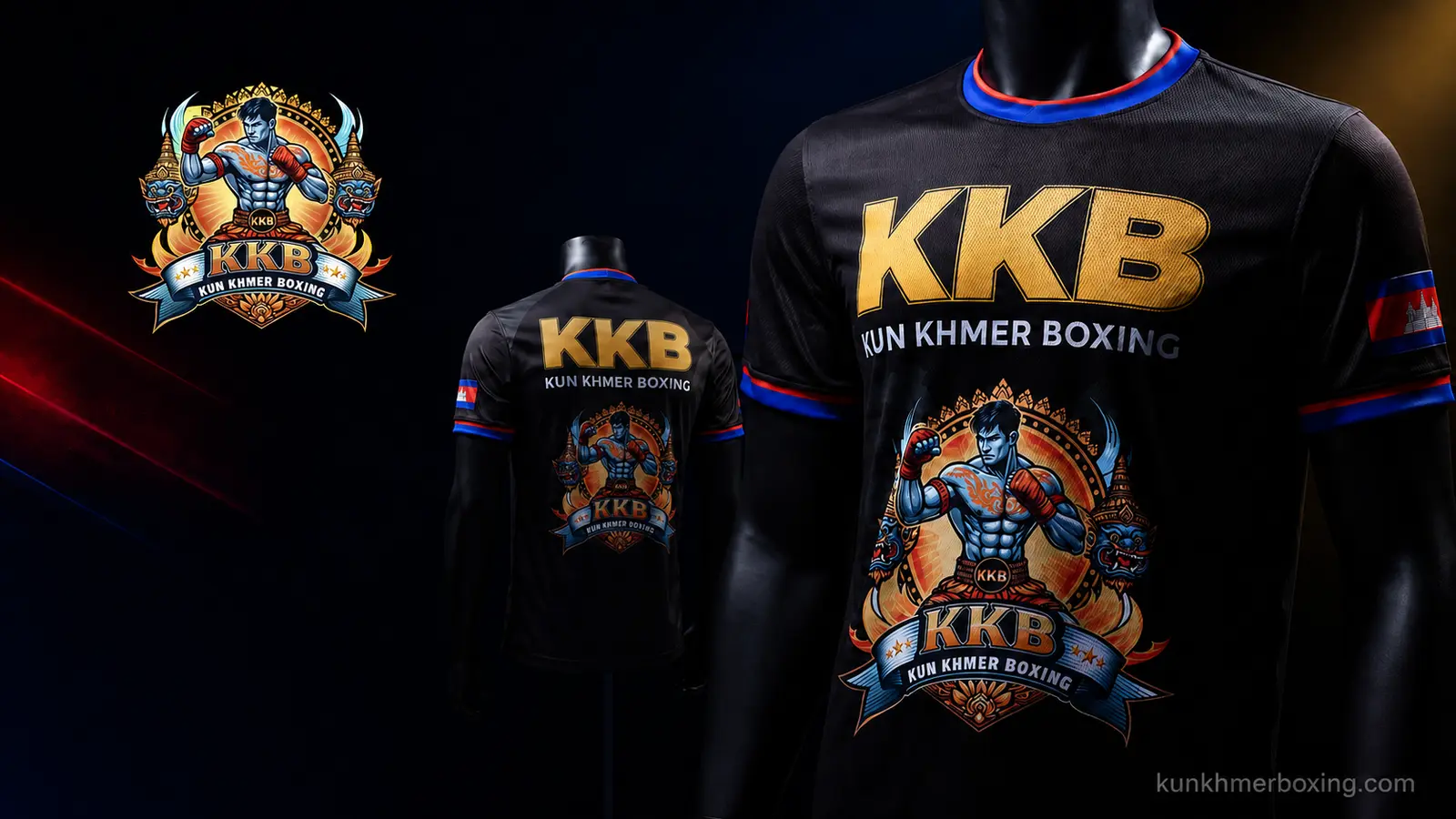
A club jersey may be worn for training, travel or supporting the team. Decide its main job before choosing the cut, fabric and printed design.
Read the buying guide →Gloves & protection04
Before choosing a colour or offer, tell your coach whether the gloves are for pads, bag work or supervised partner training. That decision shapes the buying checklist.
Read the buying guide →Gloves & protection05
Hand wraps belong in the same buying decision as your gloves. Ask your coach which format suits the wrapping method taught at your club before ordering a bundle.
Read the buying guide →Gloves & protection06
Start with your coach’s requirements for the planned session. Headgear is not a licence to increase contact intensity, and an attractive product photo cannot establish a safe fit.
Read the buying guide →Gloves & protection07
Choose shin guards around the drills your coach plans, not a colour match with your gloves. The leg fit and fastening deserve more attention than the headline discount.
Read the buying guide →Gloves & protection08
A mouthguard is a personal item that needs the correct fit and instructions. Start with your coach’s requirements and the manufacturer’s exact model information, not its colour.
Read the buying guide →Shorts & clothing09
Choose a bag around the equipment you actually carry to training. A useful layout and comfortable carry matter more than buying the largest capacity advertised.
Read the buying guide →Pads, bags & training10
You do not need to buy every item seen in a gym before your first session. Ask what your club supplies and what you must bring personally.
Read the buying guide →Pads, bags & training11
Choose equipment around the session you want to run, the available space and the people who will actually use it.
Read the buying guide →Pads, bags & training12
Choose targets for the techniques being taught and for the person holding them, then check exactly what the selected offer includes.
Read the buying guide →Pads, bags & training13
A punching bag is only one part of the purchase. The supporting structure, working space and installation instructions matter just as much.
Read the buying guide →Timers & sports tech14
Prioritise clear round and rest settings, readable digits and an audible signal suited to your training room before adding extra functions.
Read the buying guide →Timers & sports tech15
Use a display to show information chosen by the coach. A counter does not automatically judge technique or establish an official fight result.
Read the buying guide →Timers & sports tech16
Start with a clear coaching purpose, a safe camera position and agreement from the people being recorded before choosing extra equipment.
Read the buying guide →Timers & sports tech17
A watch may help organise non-contact activity, but the useful features depend on your sessions and the devices you already use.
Read the buying guide →Pads, bags & training18
Choose equipment that fits the user, the surface and the coach’s plan instead of building a collection of unrelated fitness accessories.
Read the buying guide →Care & everyday essentials19
Useful wellbeing equipment starts with practical basics: a suitable surface, personal items, straightforward cleaning and storage that lets equipment dry.
Read the buying guide →Coaching & sessions20
A coaching service provides human guidance. A training accessory, video package or timer is a different purchase and should be described as such.
Read the buying guide →Prices, delivery & makers21
Check the conditions attached to your equipment before ordering. A club needs the right kit on the right date; an attractive listing alone does not settle delivery, sizing or returns.
Read the buying guide →Prices, delivery & makers22
A dated price helps you compare training purchases. It describes one offer under recorded conditions, rather than a promise about what every visitor will pay or the whole market’s cheapest option.
Read the buying guide →Prices, delivery & makers23
KKB wants practical, affordable training equipment and welcomes conversations with Cambodian makers. Shorts, club clothing and useful accessories offer starting points for understanding what athletes and coaches actually need.
Read the buying guide →Shorts & clothing24
A boxing shoe is a purchase for a particular activity and surface. For a Kun Khmer student, the first question is whether footwear belongs in the planned session at all.
Read the buying guide →Pads, bags & training25
A headband ball, double-end bag and rotating station are different tools. Decide which supervised drill you want to organise, then check whether the proposed equipment actually supports it.
Read the buying guide →Gloves & protection26
A chest protector, a coach’s belly pad and a groin protector are not interchangeable. Identify who will wear the item, the planned drill and the manufacturer’s stated purpose before ordering.
Read the buying guide →Timers & sports tech27
A musical striking toy, a touch counter and an interval timer do different jobs. Choose the function needed for your session before comparing screens, lights or promotional names.
Read the buying guide →No matching guide. Try a shorter search.